
So God created human beings in his own image. In the image of God he created them; male and female he created them. (Genesis. 1:27)
Can we talk?
I don’t know about you, but I am feeling the weight of the world right now. Between my social media feed, news feed, and group chat with friends, my heart is heavy. The never-ending anti-blackness, injustice, the political divisiveness and violence is not only exhausting, it will also shake your very soul if you let it. But the insult to the injury in the midst of all of this is the persistent pressure to choose an identity.
Are you a Black woman first or a Christian first? Let’s be clear, there really is no choice to be made and it’s time to reject the notion that there is. Here is the truth.
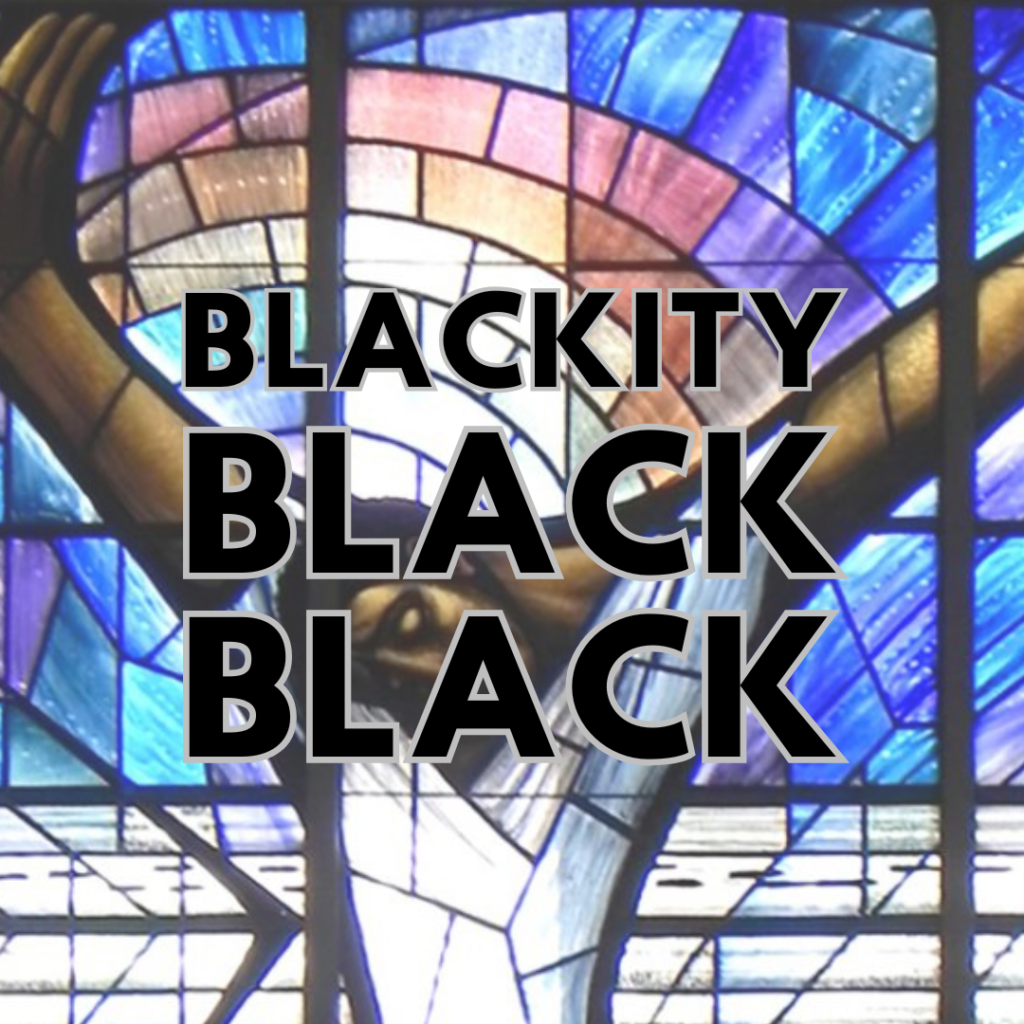
To set aside our racial identity in the face of injustice is not a requirement of our faith. To believe that faith overshadows race is to miss the very heart of the God who sees, knows, and acts on behalf of the oppressed. What our faith does require is that we confront injustice. The prophets consistently called out kings and nations for economic exploitation, judicial corruption, and taking advantage of the poor and most vulnerable among them. The stories of the Good Samaritan and Woman at the Well make it quite clear that God is no respecter of persons (Romans 2:11) and denying race is not necessary to be approved by God.
Our faith does not demand that we put on blindfolds. Those that encourage us to “just pray”, or say, “Jesus will fix it”, “wait on the Lord” and “turn the other check” are really promoting our silence and passivity. Our faith does not make us passive. Our faith empowers us. We serve the God who heard the cries of His people and sent Moses to demand that Pharaoh, “Let my people go”! Jesus didn’t just casually turn over the tables in the temple. He acted in righteous indignation against the exploitation of the faithful (Matthew 21:12-13). He made clear his displeasure — enough was enough! He shows us that indignation alone is of no effect. There are times when our indignation must cause us to stand up and act.
Certainly, I believe in the power of prayer. Prayer is the very foundation of our faith, but it is not a substitute for action. In fact, it is prayer that fuels us with the dynamism to speak truth to power, to become defenders of the marginalized, and to demand a world that reflects the justice and equity of God’s kingdom. Yes, I know that Jesus will fix it, but most often we are vessels that He will use to fix it.
The truth of our faith is that every human being is made in the “Imago Dei” – the image of God. Period. Non-negotiable. When anyone is violated, abused, or unjustly taken is it far more than a political or social issue; it is a deeply spiritual issue. It is a violation and desecration of what is sacred. In Matthew 25:40, Jesus teaches, that what we do to the most vulnerable in society, we do to Him. To ignore our Blackness for the sake of false unity is to ignore the violence and injustice against black and brown bodies. That is not unity at all. It is trading apathy for approval. It is trading power for passivity. It is to be indifferent to your own pain and oppression. Huh? (Scratches head.) Our faith calls us to be the loudest voices in defending the sacred worth of every person, including ourselves. The second greatest commandment is to love our neighbor AS (to the same degree, equally) ourselves.
As a Black woman who is Christian, I am accustomed to living a life that is filled with complexities and packed with paradox. Black women are accused of being aggressive, angry and overbearing but we are also invisible. Black women are the most educated demographic in America but we earn 66 cents for every dollar made by a white male in all 50 states. Black women are expected to be the backbone of families, churches, and communities and then we are accused of being outspoken and overbearing. No matter what a Black woman accomplishes, she will be constantly criticized.
In learning to carry the weight of this complexity, Black women of faith also navigate the tension of lament and hope. It is our spiritual inheritance. The Psalms are replete with cries of anguish and woe that are masterfully interwoven with declarations of trust and praise. This tension allows us to face our grief and suffering, crying for God to act on our behalf. But, through it all, we recount God’s faithfulness, leading us into praise and thanksgiving and we once again, choose to trust Him.
Like David, this is the groaning of our souls.
Have mercy on me, Lord, for I am in distress. Tears blur my eyes. My body and soul are withering away. I am scorned by all my enemies and despised by my neighbors— even my friends are afraid to come near me. When they see me on the street, they run the other way. But I am trusting you, O Lord, saying, “You are my God!” Let your favor shine on your servant. In your unfailing love, rescue me. (Psalm 31:9,11,14,16)
Trusting His unfailing love, we earnestly sit in the tension of knowing it is not only possible, but also necessary to maintain a position against racial injustice and violence of any sort. We must. We can condemn violence and assert our humanity at the same time. We can demand systemic change and call for personal responsibility. We can lament the brokenness of the world and have radical hope for a world where equity abounds, and all are free. This isn’t a contradiction, it is conviction.
When your conviction urges you to speak up in church, sorority meeting, in your office or on your campus – silence that doubting voice within or the voice of others that say you are being “too political”, “not Christian” or anything else of the sort. Your experience as a Black woman has given you the critical lens and skilled judgment to understand God’s heart for justice. “He has told you, O man, what is good; and what does the Lord require of you except to be just, and to love [and to diligently practice] kindness (compassion), and to walk humbly with your God [setting aside any overblown sense of importance or self-righteousness]”? (Micah 6:8, AMP) This is the heart of the gospel. This is the truth that brings the kingdom of heaven to earth, and this is the truth we must proclaim in the world.
No, we are not required to live fragmented lives. We must bring our whole, blackity black, beautiful, complicated selves to the table with our faith. Faith of a mustard seed. Faith that moves mountains. Faith that sees the unseen. That faith. We must bring it all because faith was never meant to be separated from who we are. Not only does our Blackness inform our faith, but it also fuels our fight.
In Love, Blackness & Hope.
***
How do you navigate this intersection in your own life? Please share your wisdom in the comments below.